Education
I believe public education is one of the most important investments we can make in our future. But right now, too many of our teachers are being asked to do their jobs without the support they actually need.
Teachers should not have to use their own money just to keep their classrooms running. Yet that’s exactly what’s happening. Families are also being asked to help fill the gap, and for the 2026–2027 school year that can mean over $200 per student just in basic classroom supplies. That isn’t sustainable, and it isn’t fair.
Every student deserves access to a strong public education, no matter what district they live in. That means fully funding our schools so students are actually prepared for college or for a career when they graduate.
I also believe public money should stay in public schools. If tax dollars are being used, they should be strengthening public education, not diverted to private or religious schools.
And if we want to fix the teacher shortage, we have to start by paying teachers what they are worth. Missouri ranks 49th in teacher pay according to the National Education Association. The average salary here is around $55,000, compared to about $72,000 nationally. That gap is pushing good teachers out of the profession, and we can’t afford to ignore it.
If we want better schools, we have to start by valuing the people who make them work every single day.
Challenges Facing District 152
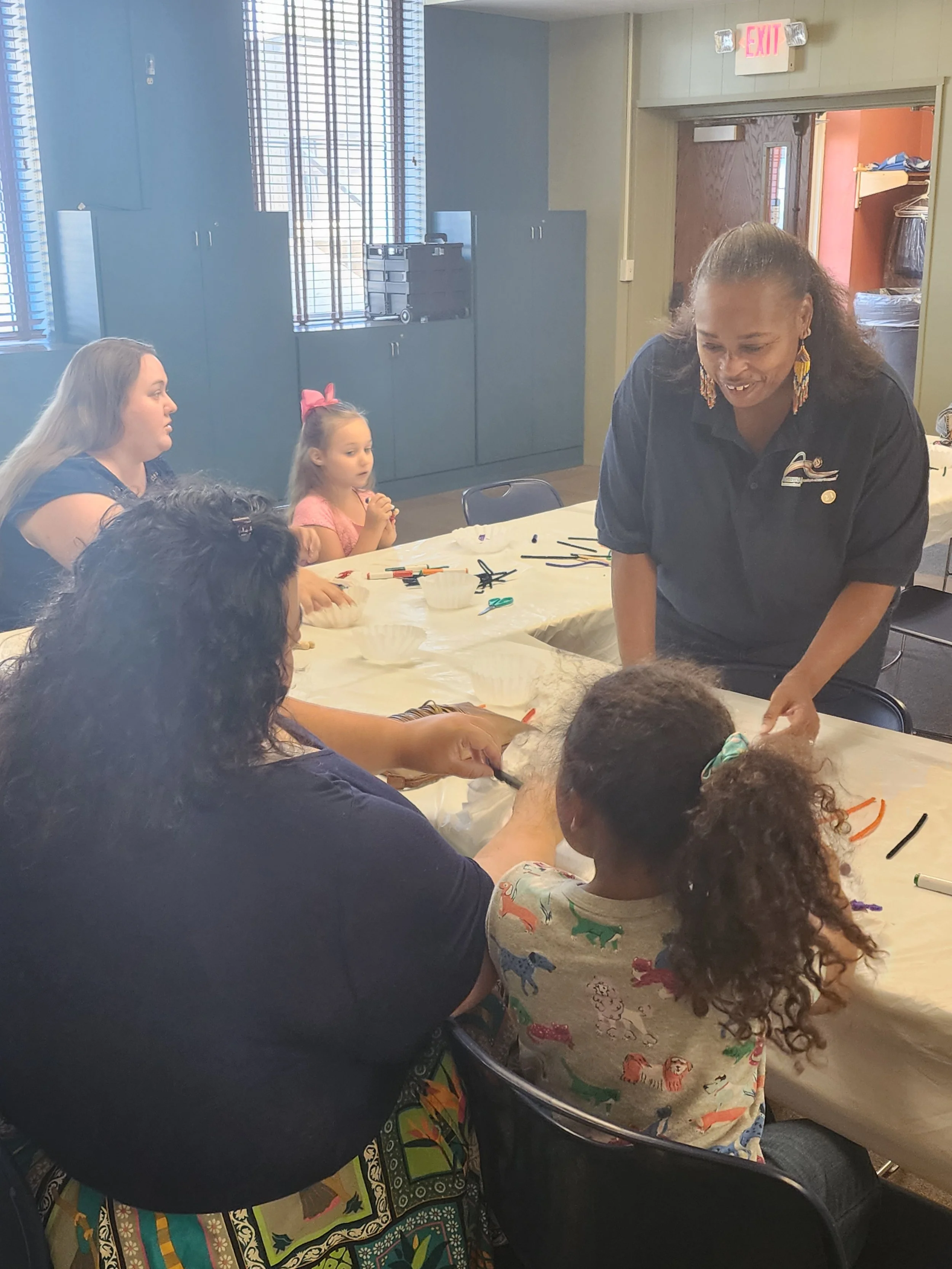
Volunteering with Altrusa at the Poplar Bluff Library for family craft day

Attending the annual regional Earthquake Summit to serve our community when disaster strikes
Homelessness
The need for a family homeless shelter in District 152 is growing as more families find themselves without stable housing. Local service providers are already seeing increased demand, and when families can’t find space in nearby shelters, they often have no choice but to rely on already stretched regional resources. Without expanded local capacity, it puts additional pressure on surrounding communities and leaves vulnerable families without the support they need close to home.
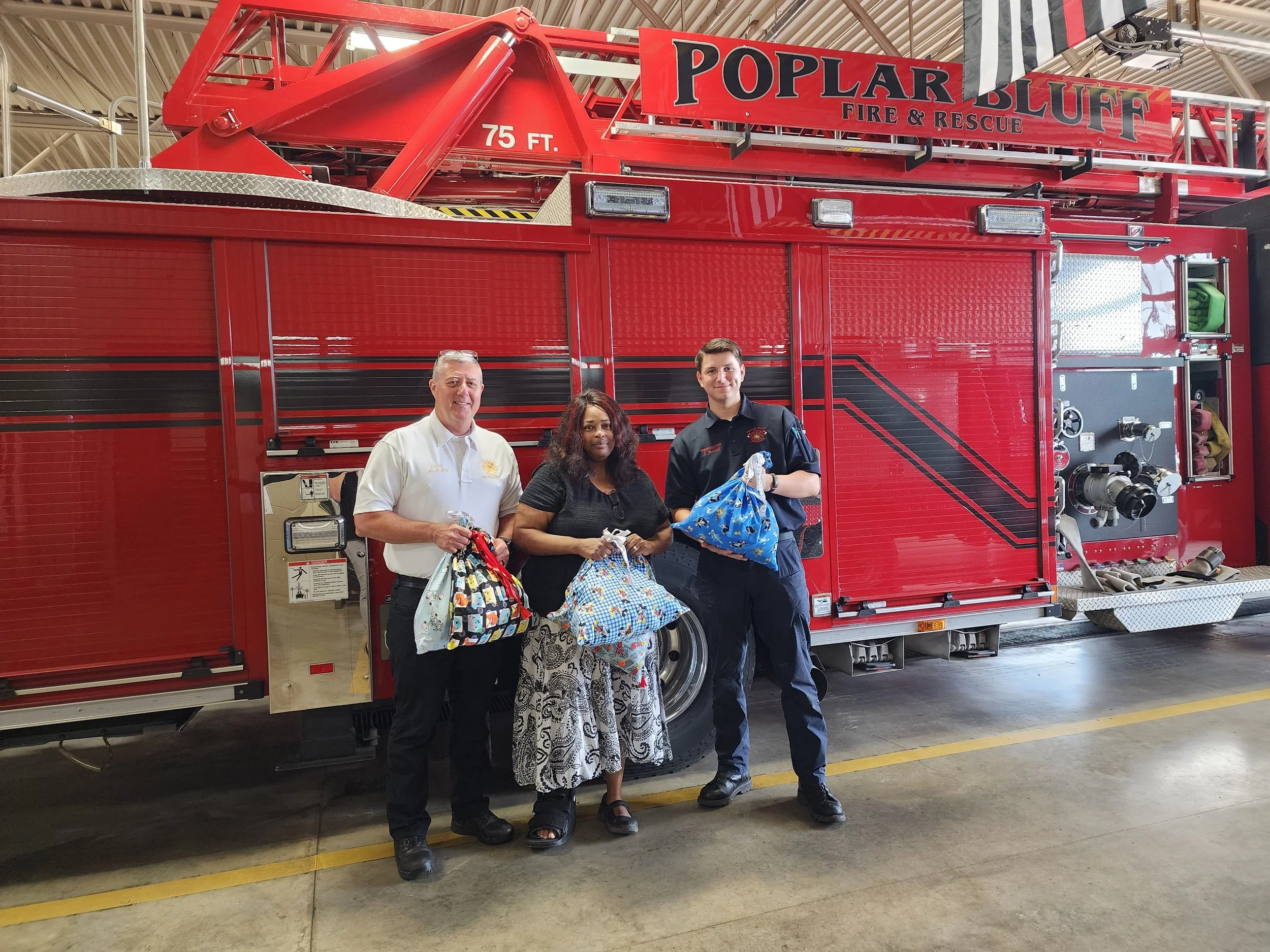
Supporting Fire Departments by providing Days for Girls Kits
In November 2024, Missouri voters spoke clearly by passing Proposition A with 58% support, securing both a $15 minimum wage and paid sick leave.
By August 2025, the House passed HB 567, taking away paid sick leave while keeping the wage increase.
In doing so, some state representatives chose to ignore the will of the voters they were elected to represent.
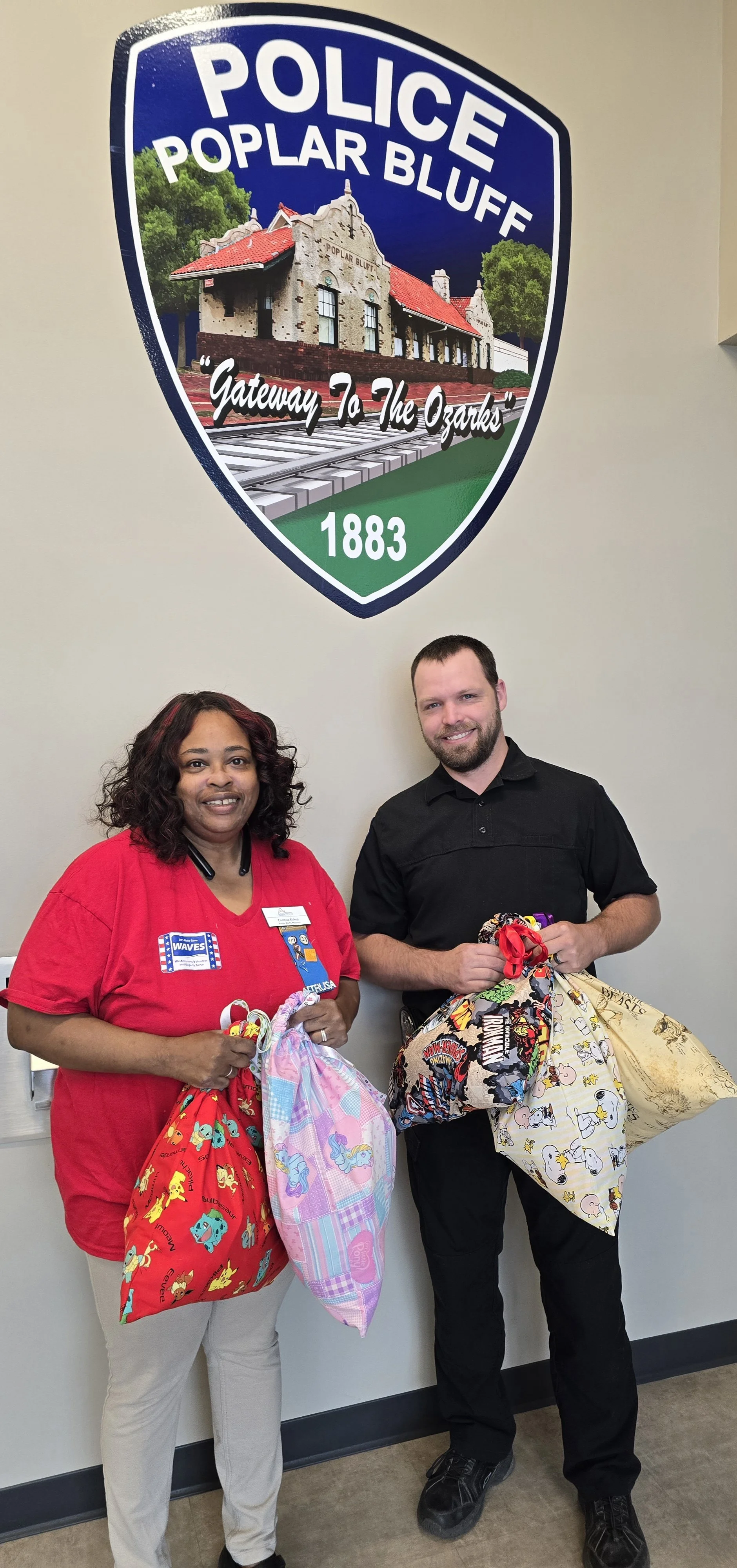
Delivering Days for Girls kits to support local law enforcement
Healthcare
Budget cuts tend to hit rural communities first and the hardest. When funding gets reduced, it’s often smaller clinics and local services that are the first to struggle, and that has real consequences for people who live out here.
We’ve already seen how that plays out. If rural clinics continue to close or reduce services, places like PBRMC will likely become overwhelmed as more patients have nowhere else to go for care.
We’ve also experienced firsthand how disruptive transitions in rural healthcare can be. When St. Francis sold its urgent care to Missouri Highlands, there were real issues during the transition. It took time for them to get fully recertified with insurance providers, and in the meantime they had to rely on a sliding scale system to keep services accessible. Even though they worked to maintain care, the process created confusion and gaps for patients trying to figure out where to go and what would be covered.
These kinds of changes might look simple on paper, but in rural areas they can quickly turn into access problems for families who already have limited options.
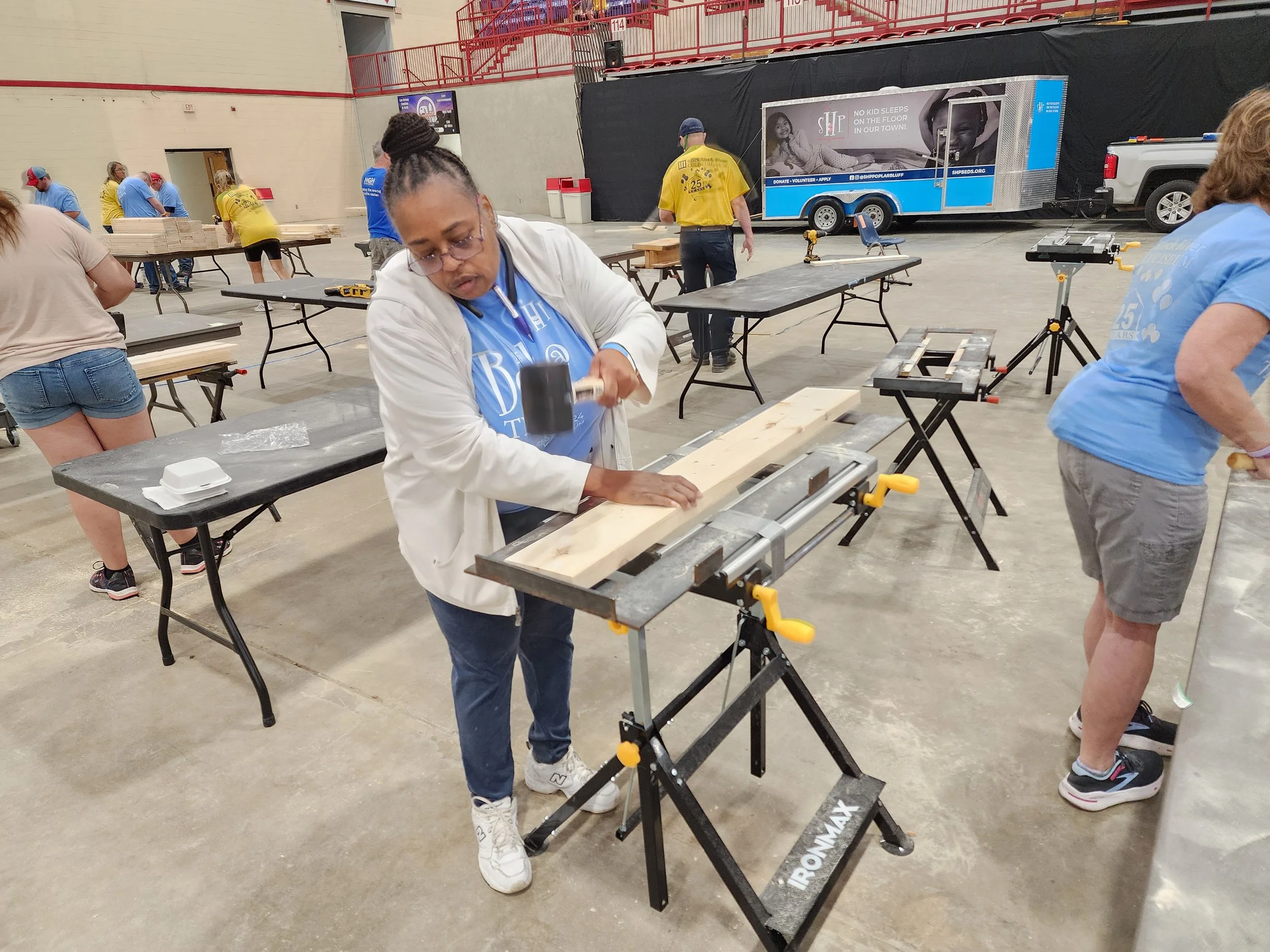
Making components for Sleep in Heavenly Peace beds
Taxes
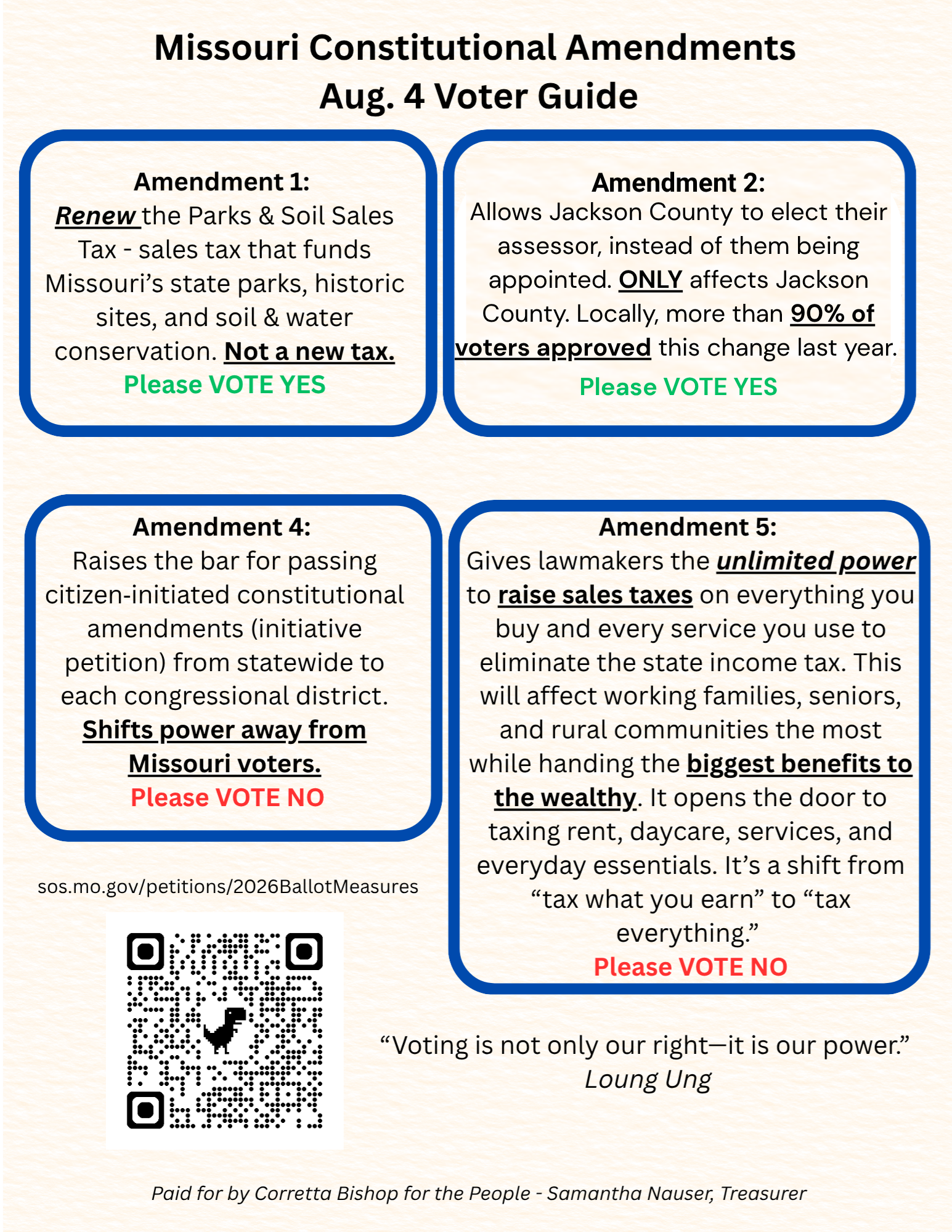
In Missouri, some lawmakers are pushing a proposal to eliminate individual and corporate income taxes and replace them with a broad sales tax on nearly all goods and services, often called an “Everything Tax.”
While the current state sales tax is 4.225%, this plan would raise rates significantly and apply them to far more everyday purchases.
MEDICAL & HEALTH: Prescription Drugs, Insulin, and Prosthetic/Orthopedic Devices
AGRICULTURAL: Farm Machinery, Livestock/Poultry Feed, Seed, Fertilizer
MANUFACTURING/UTILITY: Machinery, Electricity, Natural Gas
SERVICES: Most Professional Services (Accounting, Legal, Haircuts, ect.)
AND MORE
In 2026, about 600,000 Missouri households are expected to pay an average of $1,500 in state income taxes, but under this proposal, roughly 2.8 million households would see an average tax increase of $700.
Meanwhile, the top 20% of earners would receive a substantial tax cut, shifting more of the burden onto middle- and lower-income families.
This kind of proposal has appeared in other states, but in Missouri it is being considered as a constitutional amendment, making it far more difficult to reverse if passed.
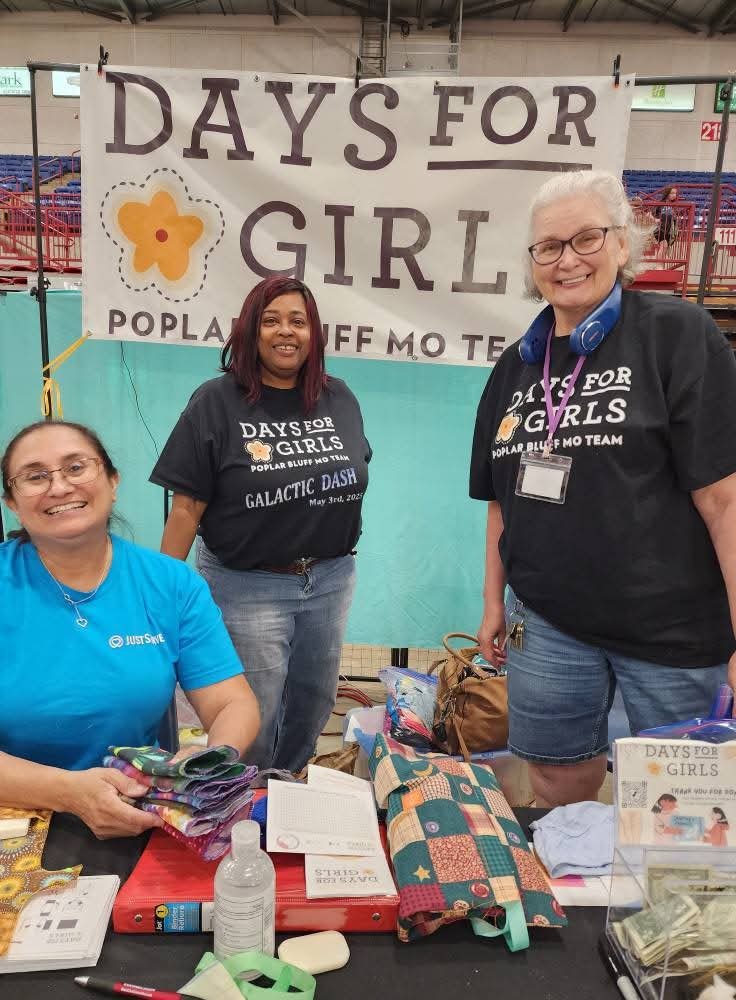
Days for Girls team raising awareness at an event in the Black River Coliseum
Respect MO Voters